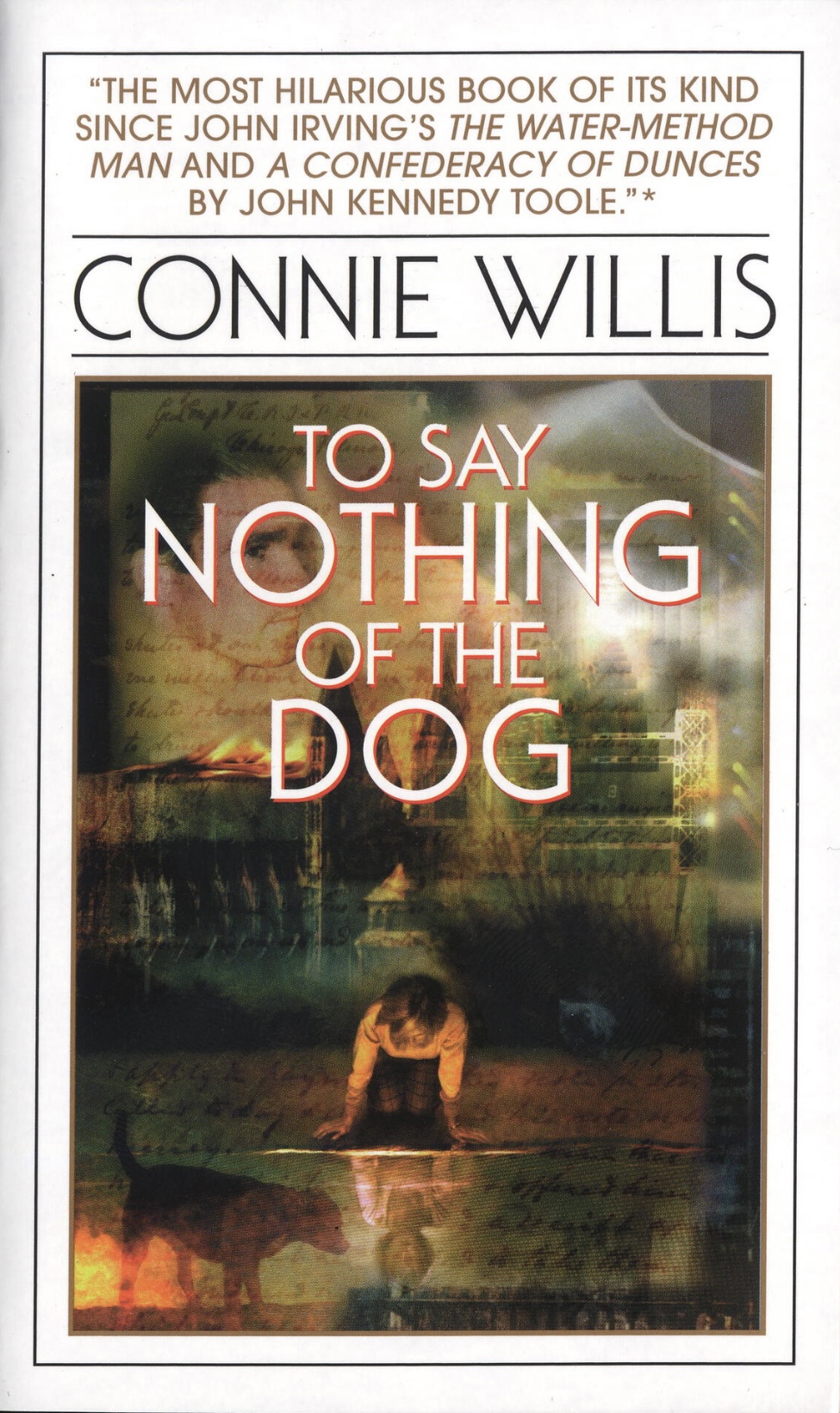
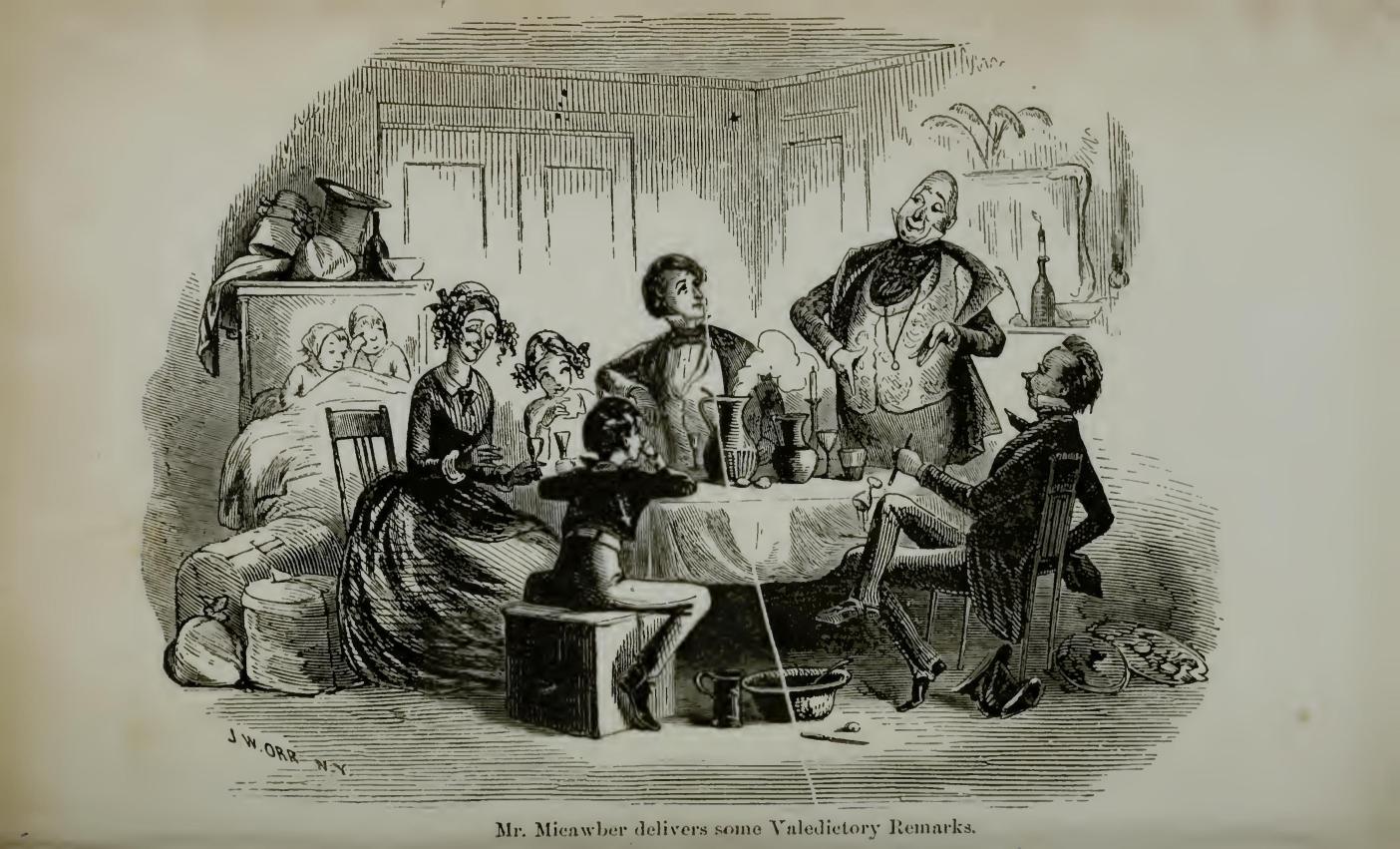
“Darwin, Disraeli, the Indian question, Alice in Wonderland, Little Nell, Turner, Tennyson, Three Men in a Boat, crinolines, croquet, … penwipers, crocheted antimacassars, hair wreaths, Prince Albert, Flush, frock coats, sexual repression, Ruskin, Fagin, Elizabeth Barrett Browning, Dante Gabriel Rossetti, George Bernard Shaw, Gladstone, Galsworthy, Gothic Revival, Gilbert and Sullivan, lawn tennis, and parasols.” — To Say Nothing of the Dog, p. 38.
Time travel to the nineteenth century requires some preparation, and Ned, the narrator of Connie Willis’s novel
To Say Nothing of the Dog, only receives the quoted summary of Victorian life before being transported to a long adventure in 1888. His adventures are controlled by somewhat bumbling time-travel monitors in the late twenty-first century Oxford, his native time and place.
The book does have a plot, sort-of — centered on the bombing of Coventry Cathedral in a Nazi raid in 1940. But the narrative is mostly humor about Ned’s efforts to keep his secret: that he’s in the wrong place at the wrong time, with a mission that he doesn’t quite understand, which involves finding a hideous Victorian flower holder called a bird stump. He collaborates with other time travelers from his own era, all avoiding the paradoxes that occur when you mess with the continuum. Or something.
It’s fun to read Ned’s story, and to finally find out what his mission probably was, and how he and his co-travelers used bits and pieces of popular twentieth-century literature to figure out how to act and what to expect. The book was written at the end of the twentieth century, so the characters really don’t know about the twenty-first century except that there was a pandemic around 2020 — really! I wonder how the author knew that. Also, cats had gone extinct, seemingly from some disease. I guess the cat pandemic will happen in a few years from now, as the author predicts.
I especially enjoyed Ned’s bafflement at the manners of 19th century people. For example, he almost gets into TERRIBLE trouble when he notices that a Victorian cat (which he loves seeing in the flesh) is soon going to have kittens — an UNMENTIONABLE condition in front of the ladies.
Ned is also challenged by the typical country house breakfast at the stately home where he somehow manages to be invited as a guest, as the characters who are there are part of his mission. I think the author probably read the same English Breakfast documentation that I reviewed a few years ago (blog post here).
Ned begins by describing covered dish “which had a statuette of a flopping fish for a handle.” His colleague, Verity, also suitable disguised from her 21st century self, takes off the lid:
“Good Lord, what’s that?” I was staring at a bed of blindingly yellow rice with strips of flaked white in it. “It’s kedgeree,” she said, putting a small spoonful on her plate. “Curried rice and smoked fish.” “For breakfast?” “It’s an Indian dish. The Colonel’s fond of it.” She put the lid back on. (p. 214)
As they check out the breakfast buffet, they discuss their mission, and she helps him cope with the food:
She moved down to the next covered dish. This lid had a large antlered deer. I wondered briefly if they represented some sort of code, but the next one down was a snarling wolf, so I doubted it. … Inside was a mass of pungent-smelling brown objects. “What’s that?” “Devilled kidneys,” she said, “braised in chutney and mustard. In Hercule Poirot mysteries, there’s always one little fact that doesn’t fit, and that’s the key to the mystery.” She picked up a charging bull by the horns. “This is cold ptarmigan.” “Aren’t there any eggs and bacon?” She shook her head. “Strictly for the lower classes.” She held out a shellacked fish on a fork. “Kipper?” I settled for porridge. (p. 215)
The Hercule Poirot mysteries, the Jeeves stories by P.G. Wodehouse, Three Men and a Boat (which was published a year after the events at the breakfast table), and many others are constantly in the thoughts of Ned and Verity as they jump back as far as the fourteenth century, to 1940, or to 2022. In a way, reading this novel could make you a little dizzy.
Review © 2022 mae sander.
With thanks to Elaine & Larry for the recommendation,